The issue
Fivebough Wetlands, a RAMSAR site in Leeton, has a degraded area where weeds have become dominate, reducing the condition of the site and limiting the ability of native vegetation to re-establish.
When Murrumbidgee Field Naturalists opened its 2026 environmental grants program, member Eric Whiting saw an opportunity to begin restoring this section of the wetlands. With support from Local Landcare Coordinator Jessie, Eric applied for funding to undertake a community planting project.
The solution
The application was successful, allowing Eric and Jessie to source locally suitable plants and coordinate a community planting day. Hay Plains Landcare supplied a range of suitable native species, including saltbushes, juncus and sedges.
The project was supported by many community organisations, all playing a significant role in its execution. Narrandera Landcare supported the project by transporting plants to Leeton, providing tools and weeding the seedlings before the event, to reduce biosecurity risks. Leeton Shire Council prepared the planting area and committed to watering the site after planting. Leeton Rotary catered for volunteers with a sausage sizzle.
Together, the partners brought people, plants and practical resources together to establish 300 native plants in an area desperate for revegetation.
The impact
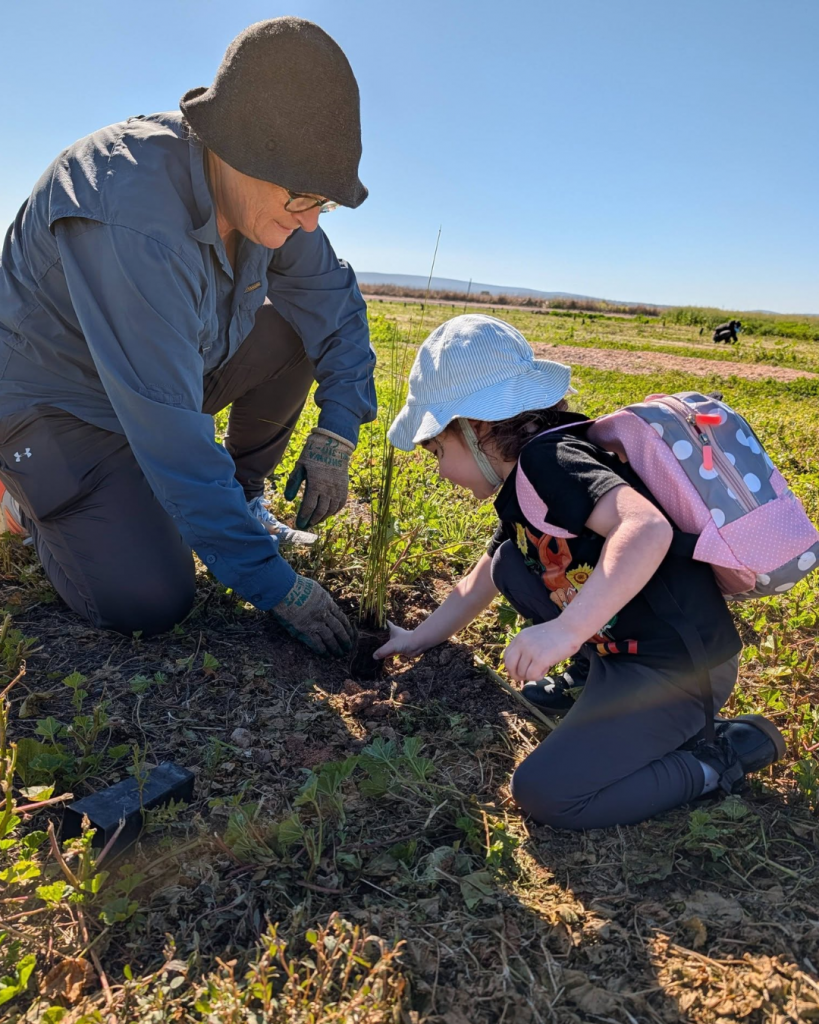
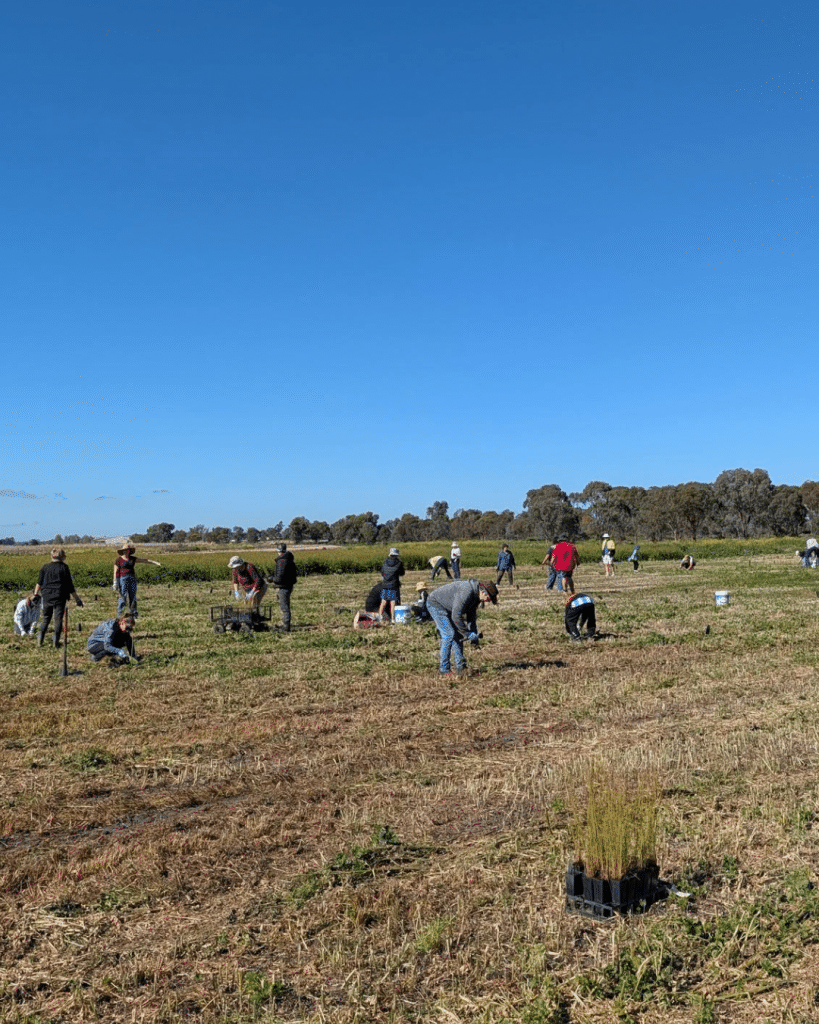
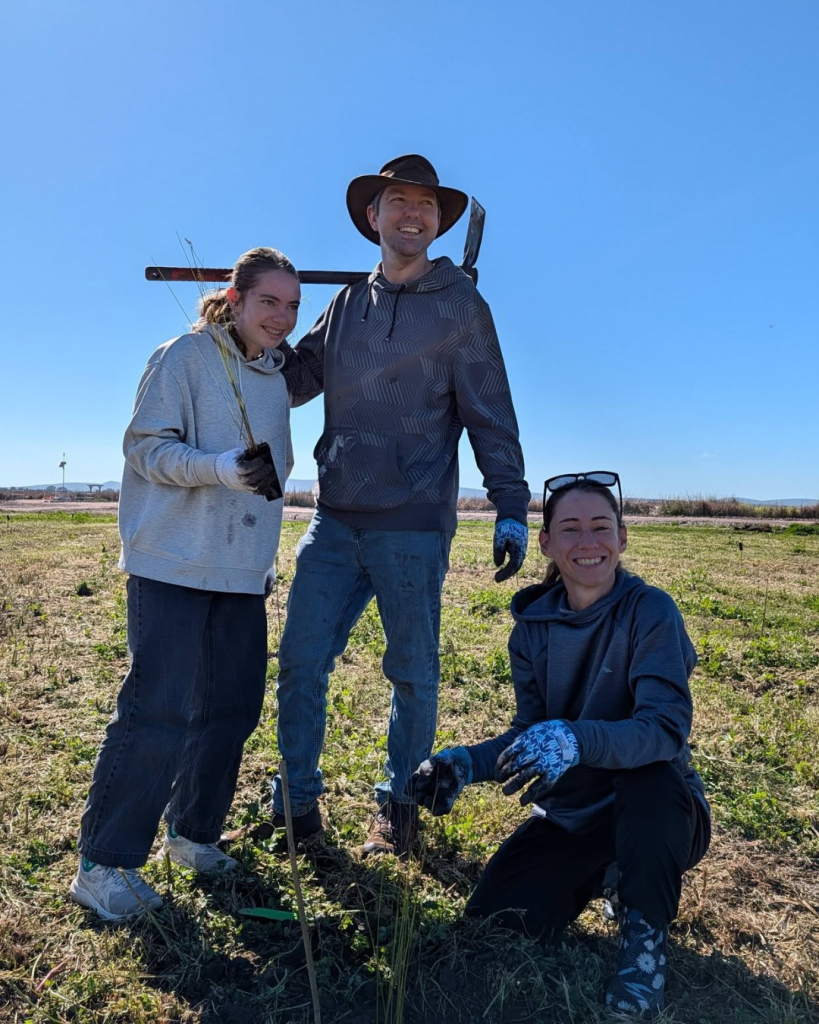
Sixty community members attended the planting day, demonstrating strong local support for restoring Fivebough Wetlands. Volunteers planted saltbush, juncus and sedge species selected for their suitability to the site.
The planting is intended to suppress weed growth over time and tip the balance back in favour of native vegetation. As the plants establish, they will provide greater ground cover and competition for resources, helping to reduce opportunities for mallow and cathead weeds to dominate.
The project demonstrates the value of collaboration between community members, Landcare groups, council, service clubs and government land managers. By securing the necessary Crown Lands permissions and bringing local partners together, the project has created a practical foundation for long-term restoration at Fivebough Wetlands.
Learnings
A key learning was the need to submit short term licence applications for environmental plantings to Crown Lands at least two months before the proposed activity, to meet Crown Lands’ minimum processing timeframe. In this case, Crown Lands staff were obliging and assisted in fast-tracking the application so the community planting could proceed as planned.
For future events, applications for permissions or short-term licences should be lodged as early as possible, with the two-month minimum treated as the starting point rather than the ideal timeframe.
Case Study Community Planting at Fivebough Wetlands
Author: Jessie McPherson
Capacity building – LEP23_036_LLC9_11