First Nations People and scientists working together to monitor Country through citizen science
We are lucky enough that there are people in the world who care deeply about our natural environment. Whether they are scientists, people who work in natural resource management or First Nations People who have been caring for Country since time immemorial. However, the most common discussion that we have in this field of work is that there are not enough people out on the ground doing the monitoring, and our understanding of what is truly going on in the environment through monitoring can be limited.
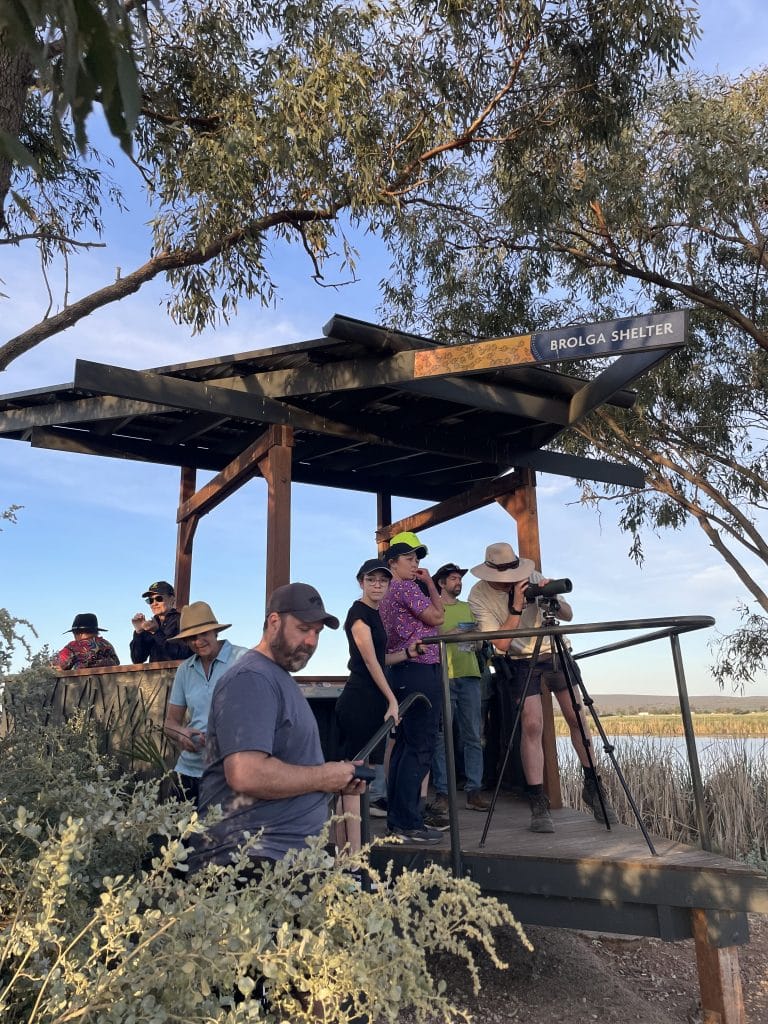
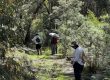
Therefore, through the Great Southern BioBlitz we called on our friends, family, community, and allied organisations to come join us nature lovers for a hands-on exploration at the Ramsar-listed Fivebough Wetlands in Leeton. As a community, we were able to participate in citizen science and record our observations of any living thing into iNaturalist. iNaturalist is a citizen science database that feeds directly back to qualified scientists. For many, it was their first chance to look closely at the wetlands’ rich ecology and learn how citizen science can help protect the natural world on their doorstep.
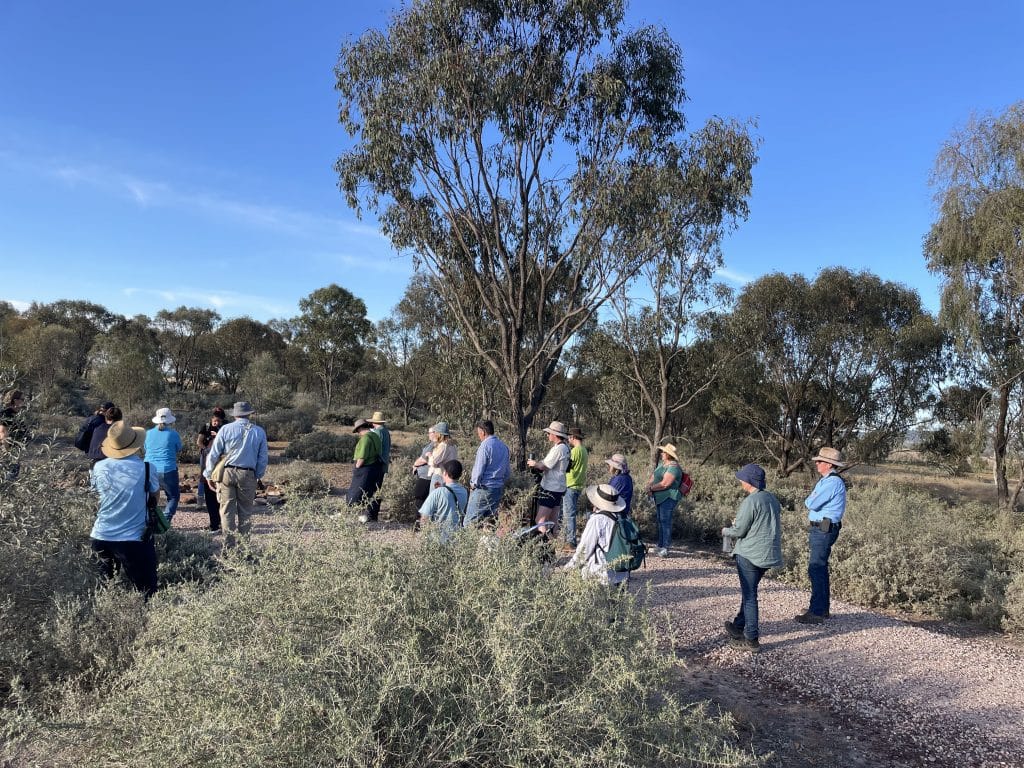
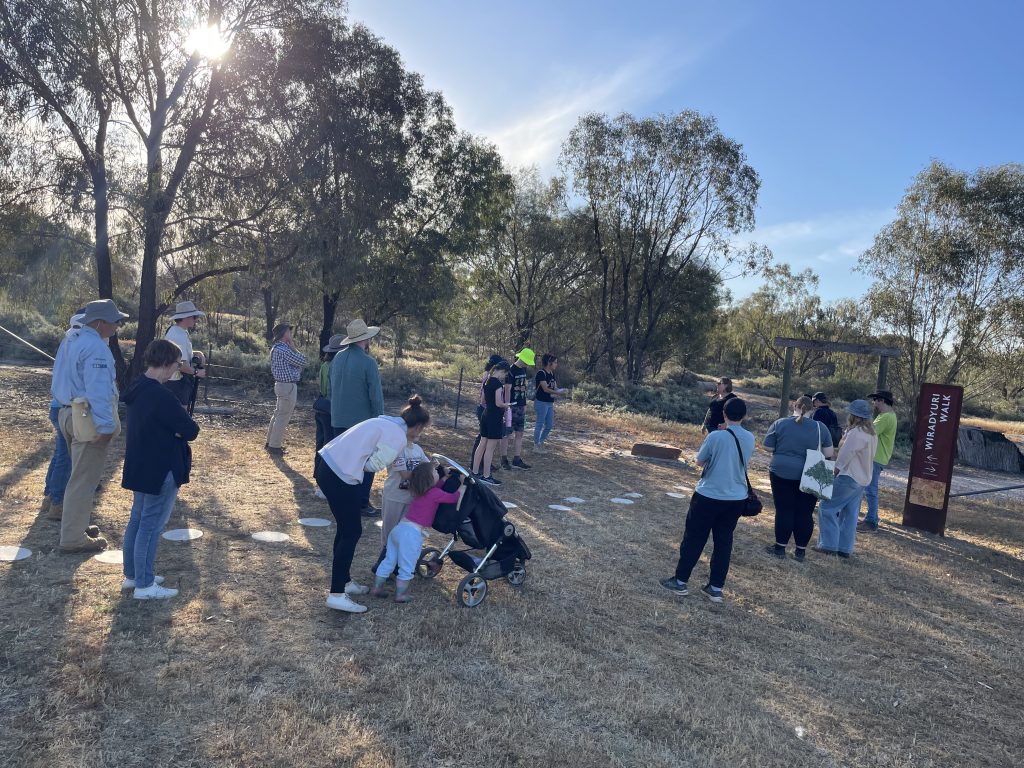
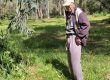
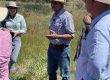
Whilst we were busily making our observations, First Nations People shared stories of cultural connection, explaining the significance of totems, rock art, and stonework that reflect thousands of years of Wiradjuri people’s expertise and caring for Country. Their words set a thoughtful tone, reminding everyone that caring for Country is both a privilege and a shared responsibility. Alongside the First Nations People, scientists also shared their knowledge on plants, frogs, birds, and how those things are supported by environmental water.
This interactive approach gave participants a new way to engage with the wetlands and people – blending culture, technology, curiosity, connection and conservation in action.
Case Study: Blitzing Away with Culture
Capacity building – LEP23_036_LEP13_2
Author: Nioka Dupond