

Are you a small farmer?
Email Nic Maher at Murrumbidgee Landcare, with your name, property location and contact details. We’ll add you to our mailing list, and connect you with your local Landcare Group. Become a member to access further opportunities!
We’d also love you to complete our online survey here, so we can start organising activities that are relevant to YOU!
Information and guides for small farmers
Click on the boxes below to view our short videos demonstrating practical skills for small farmers. These are supported by a carefully curated selection of manuals, fact sheets and guides, all targeted specifically at small farmers in our region.

Planning your small farm
Whole Farm Planning FarmPlan21 Manual (Department of Primary Industries, Vic). FarmPlan21 is a farm planning program that combines production goals with social and ecological values. This manual will take you through the steps of determining what natural resources currently exist on your property, and developing appropriate management strategies. It provides practical tools to help you […]

Soils on your small farm
Soil Health and Management Soil Mapping and Classification Soil Testing

Dams and waterways on your small farm
Managing a dam on your small farm Farm dams can do more than just provide water for your livestock – a well managed dam can provide excellent habitat for a range of native species, creating a beautiful, biodiverse area on your property. This short video features two farmers discussing what they have done, and what […]

Weeds and pests on your small farm
Farm Biosecurity Building biosecurity for small farms: A small farms network guide (NSW Department of Planning, Industry and Environment). This guide describes the importance of biosecurity for livestock producers on small farms, with detail on potential biosecurity issues such as: the movement of people, vehicles & equipment on or off your property; managing inputs such […]

Pastures and grazing on your small farm
Pasture Management Pasture establishment and management (NSW Department of Primary Industries). These webpages cover many topics related to pasture establishment and management, including grazing management, production management, soils, fertilisers & manures, weed control, pests & diseases, groundcover, and drought, fires & floods. The information is all based on research by NSW DPI and others, so […]
Livestock on your small farm
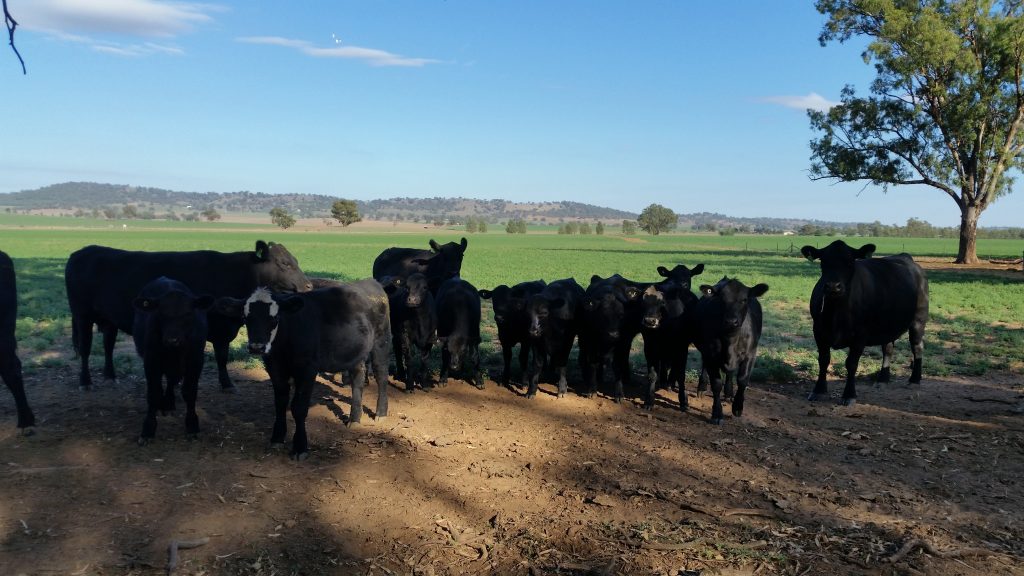
Cattle Beef cattle production: Managing a small beef herd (Port Phillip and Westernport Catchment Management Authority). This factsheet covers many of the basic management and infrastructure requirements to establish a small beef herd on your property. 2 pages. Download here. Beef calendar of operations (South East Local Land Services). This calendar has helpful tips and […]

Wildlife on your small farm
Attracting Wildlife and Creating a Biodiverse Garden Garden guide (Wodonga Urban Landcare Network). This guide provides a wealth of information on designing and creating a garden that provides valuable habitat for native animals. While it is based on species from the Albury-Wodonga region, much of the information it contains is relevant for our region. 64 […]

This project was funded by an Australian Government National Landcare Program ‘Smart Farms Small Grant’ (2019-2021), and the Local Landcare Coordinator partnership between Local Land Services and Landcare NSW
Our project aimed to engage, educate and empower owners and/or managers of small landholdings in the mid-Murrumbidgee region, to build their capacity to sustainably manage their properties for ecological and agricultural outcomes.

