Managing Biodiversity in Cotton Landscapes

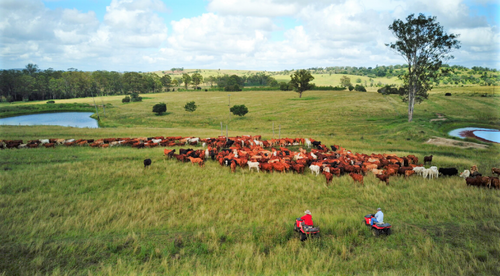
A new section of the CottonInfo website provides biodiversity information for every Local Government Area (LGA) in Australian cotton growing regions. The information included for each LGA includes: Relative areas – Area of cotton landscape; Area of remnant vegetation in the cotton landscape; Area of threatened ecological communities in the cotton landscape; and Area of…

Indigenous-led approaches to strengthening and sharing our knowledge for land and sea management

Indigenous Australians rights of ownership and management have been recognised over nearly half of Australia and their knowledge systems connect them to their Country and cultures. As significant landowners, managers and custodians, Indigenous peoples are applying their knowledge s in caring for Country, generating many benefits. However, there are many challenges for both Indigenous peoples…

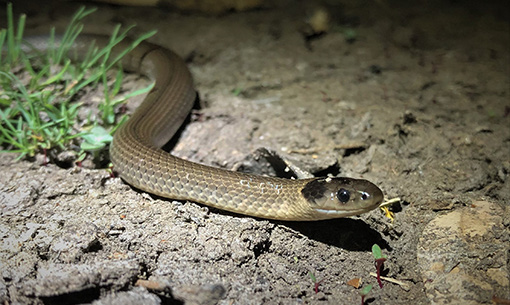
New sightings of the Endangered Grey Snake!

In the Summer of 2018-19, researchers from Charles Sturt University (CSU) were conducting a series of nocturnal frog surveys around the wetlands of the lower Murrumbidgee floodplains. As well as recording a high number of frogs, the CSU researchers were excited to record a total of 21 sightings of Grey Snakes. These were the first…

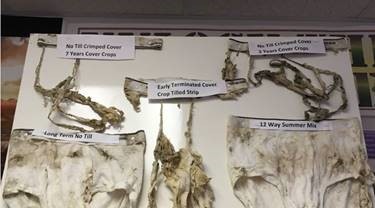
Soil your undies!

In the name of building healthier soils, the CottonInfo team are inviting you to participate in this fun soil science experiment to see how healthy your cotton soil is. All you need to do is bury a pair of 100 per cent white cotton undies in topsoil for two months and then check the level of…

Parrots of the lower Lachlan Valley

A fantastic new resource on the Glossy Black Cockatoo, Major Mitchell’s Cockatoo and Turquoise Parrot has been released by Lachlan Fold Wildlife Action Group. The resource includes an education package for teachers (NSW Stages 1 to 3), fact sheets on the three parrot species and an online presentation that includes audio, video and an interactive…

Do you know your night birds?

Nocturnal birds are elusive, mysterious and often less well understood than their day-active cousins. They are essential regulators of food webs as predators of mammals, birds, frogs and invertebrates. Adaptations to nocturnal life such as exceptional eyesight, hearing and a good sense of smell, give this special group of birds unparalleled hunting prowess. A fantastic…

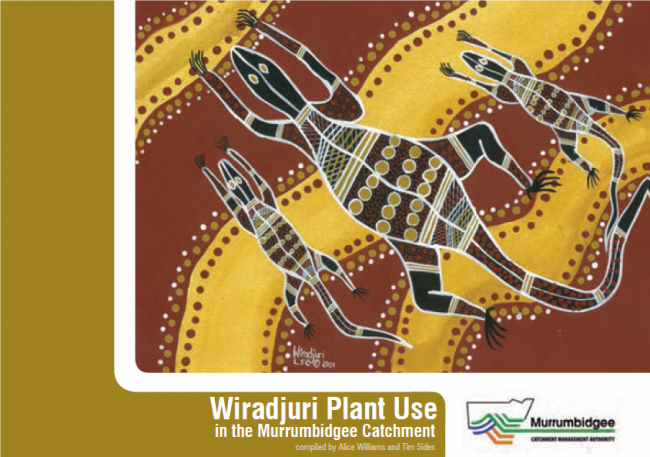
Wiradjuri Plant Use in the Murrumbidgee Catchment

Published by the Murrumbidgee Catchment Management Authority, 106 pages This book is a contemporary guide to the identification of plants within the Murrumbidgee catchment and their significance and cultural use for the Wiradjuri people. The Wiradjuri Cultural Landscape Mapping Project, of which this publication is a product, consulted widely with local Aboriginal communities across the…

Seven key tips for a fish friendly farm

Native fish need shelter, clean water, food and room to move. A new guide released on Finterest (a partnership between the Murray Darling Basin Authority and Australian River Restoration Centre) describes seven actions you can do to benefit native fish life in the streams on or near your farm. In summary, the key steps include:…